
To select the best aromatherapy mist, we should consider the type of diffuser we want. Options include ultrasonic diffusers, which mix oils with water for longer-lasting scents, and nebulizing diffusers, that use undiluted oils for stronger aromas. Key features like mist output, water tank capacity, and timer settings also matter. Ultimately, we need to think about essential oil types and their effects. There’s plenty more to discover to make the right choice for our space.
Key Takeaways
- Determine the type of diffuser that best suits your needs, such as ultrasonic or nebulizing, based on scent intensity and oil usage.
- Consider the mist output and adjustability to customize the aroma intensity for your space.
- Check the water tank capacity for longer diffusion periods, especially for larger rooms.
- Evaluate the design and portability features for ease of use and aesthetic appeal in your environment.
- Ensure safety by selecting models with timer settings and using essential oils in well-ventilated areas.
Understanding Different Types of Diffusers

When we explore the world of aromatherapy, understanding different types of diffusers can help us choose the right one for our needs. Here are the main diffuser types and their dispersal methods:
- Ultrasonic Diffusers: Use vibrations to create a mist, adding moisture to the air. They work quietly, making them great for sleep or work.
- Nebulizing Diffusers: Atomize undiluted oils for a strong scent. They offer concentrated aromatherapy but can consume oils quickly.
- Evaporative Diffusers: Allow oils to evaporate naturally. They can be passive or active, but scent intensity varies based on airflow.
- Heat Diffusers: Use gentle heat to disperse scent. However, they may degrade oil properties and pose safety risks.
Key Features to Consider
Choosing the right aromatherapy mist involves considering several key features that can greatly affect your experience. Here are some important aspects to think about:
- Mist Output: Look for diffusers with adjustable mist output, as this allows us to customize scent intensity for different spaces. Higher output is ideal for larger rooms.
- Water Tank Capacity: A larger water tank means longer diffusion periods without constant refills. Tanks ranging from 100 ml to over 500 ml are common, so we should choose one that fits our needs.
- Portability: Consider rechargeable diffusers with long battery life and USB charging options, ensuring we can use them wherever we go.
Essential Oil Usage and Efficiency
How can we maximize the benefits of essential oils in our aromatherapy practices? To enhance oil potency and diffuser efficiency, we need to choose the right diffuser type. Here are some options:
- Nebulizing Diffusers: They deliver undiluted essential oils, ensuring maximum therapeutic effects but use oil quickly.
- Ultrasonic Diffusers: These mix oil with water, providing a longer-lasting scent but may reduce potency.
- Evaporative Diffusers: They can lead to uneven distribution, affecting the overall experience.
- Heat Diffusers: While convenient, they might alter oil composition and reduce effectiveness.
Using high-quality oils and maintaining appropriate concentrations is essential. Regularly cleaning our diffusers will also improve performance, ensuring we enjoy the full benefits of our essential oils.
Health and Safety Considerations

Understanding how to maximize the benefits of essential oils also means considering health and safety. Here are some key points we should keep in mind:
- Skin Sensitivity: Always dilute essential oils before applying them to the skin. A patch test can help us detect potential reactions. If irritation occurs, we should stop use immediately.
- Respiratory Precautions: While inhaling essential oils is generally safe, prolonged exposure can lead to headaches or dizziness. Those with asthma should be particularly careful and avoid using mists in poorly ventilated spaces.
- Child and Pet Safety: We must store oils out of reach of children and pets, as they can be sensitive to certain compounds. Consulting professionals before use in households with children or animals can ascertain safety for everyone.
Aroma Intensity and Duration Factors
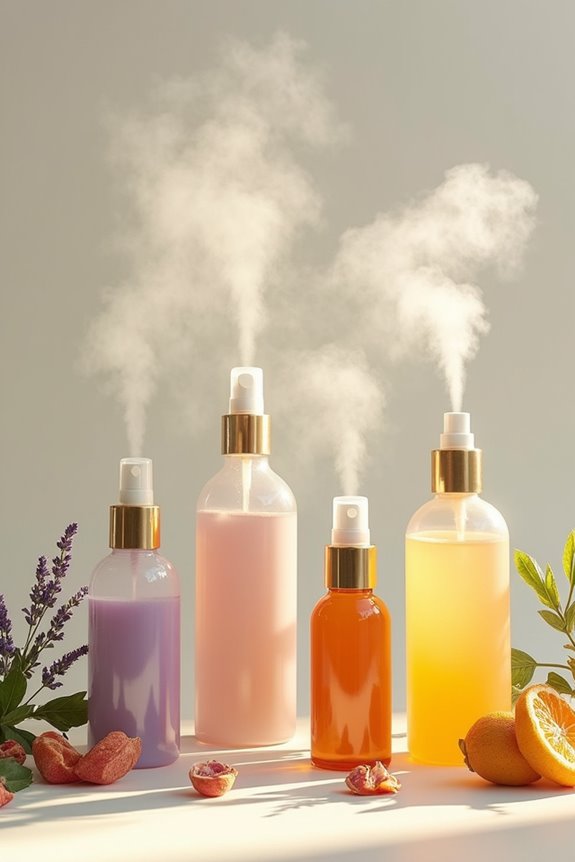
When selecting an aromatherapy mist, we need to contemplate various factors that influence aroma intensity and duration. Understanding aroma profiles helps us decide which scents to layer for a balanced experience.
- Mist Operation Modes: Continuous mist provides a strong, immediate fragrance, while intermittent mist offers subtler, longer-lasting scents.
- Diffuser Design: Models with internal oil tubes evenly disperse oils, prolonging aroma life.
- Essential Oil Types: Thicker oils, like sandalwood, need specific diffusers to release scents effectively.
Timers help control diffusion, preventing scent fatigue. For effective use, we recommend 30-60 minutes of diffusion for most adults, ensuring we enjoy the benefits without overwhelming our senses. By considering these factors, we can create an inviting atmosphere that suits our preferences.
Practical Considerations for Purchase
Choosing the right aromatherapy mist involves more than just selecting a favorite scent; practical considerations play a significant role. Here are some key factors to keep in mind:
- Diffuser Types: We can choose between passive, ultrasonic, and nebulizing diffusers. Each has unique benefits, like the cost-effective passive option or the powerful nebulizing model.
- Size and Coverage: It’s crucial to think about where we’ll use the diffuser. Compact models fit small spaces, while larger ones cover wider areas.
- Budget Options: Many diffuser brands offer affordable choices. Ultrasonic diffusers often balance features and price, making them popular.
- Maintenance: Some diffusers require more cleaning than others, impacting long-term use. Regular upkeep helps guarantee our diffusers work effectively and safely.
The Benefits of Atomizing Diffusers
Atomizing diffusers stand out for their ability to deliver essential oils in a highly effective manner. The atomizing advantages include breaking oils into micro-particles, ensuring a fine mist that fills the air with concentrated aroma. This process preserves the therapeutic properties of the oils, allowing us to fully benefit from their effects.
- Maximized Potency: Atomization maintains the chemical integrity of essential oils, enhancing their therapeutic preservation.
- Air Quality: These diffusers contribute to cleaner indoor air by utilizing antibacterial properties without adding moisture.
- Wide Coverage: They effectively scent larger spaces, making them ideal for our homes or offices.
The Advantages of Ultrasonic Diffusers
Ultrasonic diffusers offer a unique method for dispersing essential oils, making them a popular choice for many of us seeking to enhance our indoor environment. Utilizing ultrasonic technology, these devices create a fine mist diffusion of essential oils and water without heat, preserving their beneficial properties.
Here are some key advantages:
- Silent Operation: They work quietly, making them ideal for bedrooms and relaxation spaces.
- Dual Function: Serving as both a diffuser and a humidifier, they alleviate dry air and improve comfort.
- Safe: With no heat or flames, they’re safe for homes with children and pets.
- Air Quality: They purify the air naturally with no harsh chemicals, promoting a healthier living space.
Opting for an ultrasonic diffuser can truly elevate our aromatherapy experience.
Choosing the Right Essential Oils
When it comes to enhancing our space with essential oils, selecting the right ones can greatly impact our experience. First, we should consider our scent preferences and desired effects. For example:
- Focus and Energy: Oils like rosemary and lemongrass can boost productivity.
- Relaxation and Mood: Lavender and ylang-ylang provide calming aromas.
- Respiratory Benefits: Eucalyptus and frankincense support breathing.
It’s also important to think about essential oil blends. Mixing oils can create unique scents that suit our needs while balancing intensity. Remember to test lighter scents first, especially if we have sensitivities or allergies. By understanding the properties of each oil, we can tailor our aromatherapy experience to create a welcoming atmosphere that resonates with us all.
Maintenance Tips for Longevity
After selecting the right essential oils, it’s important to think about how we can maintain our diffusers for long-lasting use. Here are some key maintenance tips:
Cleaning Frequency
- Clean the diffuser after every use to prevent oil buildup.
- Use vinegar or rubbing alcohol every few uses to dissolve stubborn residues.
Storage Techniques
- Empty and dry the diffuser completely before storing it to prevent mold.
- Store it in a cool, dry place, away from direct sunlight.
Additional Tips
- Place the diffuser on a stable surface, away from heat sources.
- Use distilled water to reduce mineral buildup.
- Regularly inspect for any signs of wear or damage.
Following these guidelines helps us enjoy our aromatherapy experience to the fullest!
Frequently Asked Questions
Can I Use Any Essential Oil in My Diffuser?
When considering essential oil types for our diffuser, we should remember that not all oils are compatible. Some may irritate or pose risks, so let’s choose wisely for a safe, enjoyable experience together.
How Often Should I Clean My Diffuser?
Did you know that cleaning our diffusers every 1-2 weeks can greatly enhance their performance? By prioritizing diffuser maintenance and adhering to recommended cleaning frequency, we guarantee a fresher, healthier atmosphere for everyone to enjoy together.
Are There Any Oils I Should Avoid?
When considering oils to avoid, we should prioritize safety precautions and address allergy concerns. Let’s steer clear of irritants, photosensitizing oils, and toxic compounds to guarantee a safe and enjoyable aromatherapy experience for everyone.
Can Diffusing Oils Affect Pets or Children?
Like a gentle breeze, diffusing oils can refresh our spaces, but we must consider pet safety and children’s sensitivity. Let’s guarantee their comfort by choosing wisely, keeping our loved ones safe while enjoying aromatherapy’s benefits together.
What Are the Best Oils for Relaxation?
When we seek relaxation, lavender benefits and chamomile properties shine brightly. Together, they soothe our minds and bodies, creating a comforting atmosphere that helps us unwind and embrace tranquility in our daily lives.