

Blue light blocking glasses aren’t as effective as many think. Studies show they do little to reduce eye strain, with a 2021 study finding no difference compared to placebo glasses. Though blue light can disrupt sleep by delaying melatonin production, many glasses on the market don’t block enough blue light to help. Instead, limiting screen time and taking breaks may be better for eye health. If you’re curious about types and their claims, let’s explore further.
Key Takeaways
- Studies show blue light glasses may not significantly reduce digital eye strain compared to placebo glasses.
- High-quality blue light blocking glasses can help minimize melatonin suppression, potentially aiding sleep quality.
- Limited evidence exists for blue light glasses preventing retinal damage or enhancing overall eye health.
- Various tint options are available, with red/orange blocking nearly 100% of blue light, while yellow tints reduce eye strain during the day.
- Marketing claims often exaggerate the effectiveness of blue light blocking glasses, leading to mixed consumer perceptions.
Effectiveness on Eye Strain

When we look at the effectiveness of blue light blocking glasses on eye strain, it’s important to contemplate several key points. Studies show that blue light glasses may not greatly reduce digital eye strain during screen use. For instance:
- A 2021 study found no difference in symptoms between users of blue light glasses and placebo glasses.
- A 2023 review concluded that filtering lenses likely don’t help with eye strain relief.
It seems that our screen habits, like reduced blinking and prolonged focus, are more to blame for eye fatigue than blue light itself. Instead of relying solely on these glasses, we should focus on taking regular breaks, adjusting our environment, and improving our blinking habits. These adjustments can genuinely help ease our digital eye discomfort.
Impact on Sleep Quality

While it’s clear that blue light blocking glasses may not greatly alleviate eye strain, their role in sleep quality is worth exploring. It is understood that blue light can delay sleep onset by suppressing melatonin production, the hormone that helps regulate our sleep cycles. High-quality blue light blocking glasses can potentially reduce this suppression, promoting better sleep timing. However, many glasses on the market don’t effectively block enough blue light to make a difference.
A Cochrane review found no consistent evidence that these glasses improve sleep quality for most people. Instead, limiting screen time before bed and using software like Night Shift might be more effective. Ultimately, our approach to evening blue light exposure is key to improving our sleep quality.
Retinal Protection and Eye Health Claims
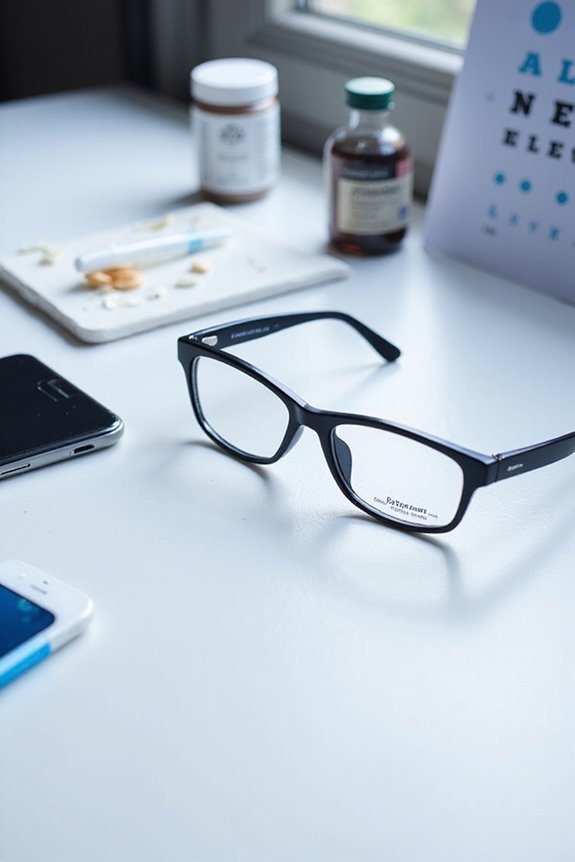
Despite popular belief, the effectiveness of blue light blocking glasses in protecting our retina and promoting overall eye health remains questionable. A 2023 Cochrane review found no evidence that these glasses prevent retinal damage.
- Limited Protective Effects: Trials showed low to moderate evidence for retinal health benefits, indicating insufficient support for these claims.
- Filtering Capacity: Most blue-light filters only block 10-25% of blue light, which is unlikely to meaningfully reduce exposure.
- Clinical Evidence: While laboratory studies suggest blue light may harm retinal cells, human trials haven’t shown significant benefits from wearing these glasses.
Types and Technologies of Blue Light Blocking Glasses

The ongoing debate about blue light blocking glasses has led us to explore the various types and technologies available in the market today. Understanding tint options is essential for selecting the right glasses for our needs.
- Tint Options:
- Red and orange tints block nearly 100% of blue light, ideal for sleep.
- Yellow tints reduce eye strain during the day without significant color distortion.
- Clear lenses with blue light coatings filter less blue light, primarily below 420 nm.
- Lens Coatings:
- Advanced coatings enhance durability and reduce glare.
- ClearBlue technology filters 50% of harmful wavelengths while maintaining clarity.
Consumer Use and Marketing Claims

Blue light blocking glasses have gained significant popularity among consumers, largely due to marketing claims about their benefits. Many of us expect these glasses to reduce eye strain and improve sleep quality. However, the marketing tactics used often exaggerate their effectiveness, leading to mixed perceptions.
- Clear-lens variants are now more appealing for everyday wear, despite limited scientific backing.
- Users frequently report less eye discomfort, but studies show little objective improvement.
- Some marketing claims suggest protection from retinal damage, yet evidence remains insufficient.
Ultimately, while consumer expectations drive sales, awareness of the scientific findings is essential. We should balance personal experiences with clinical recommendations for better eye health practices, such as taking screen breaks and improving ergonomics.
Frequently Asked Questions
Can Children Benefit From Blue Light Blocking Glasses?
Steering through screen time’s digital ocean, we’ve found blue light blocking glasses might offer visual comfort for our kids. While they’re safe, let’s remember they don’t replace healthy habits like reducing excessive screen exposure before bed.
Are There Alternatives to Blue Light Blocking Glasses?
When we consider alternatives to blue light blocking glasses, we can explore screen filters and adjust our computer settings. These options can enhance our comfort and reduce eye strain without needing to wear additional accessories.
How Do Blue Light Blocking Glasses Differ From Regular Sunglasses?
Isn’t it funny how we need different lenses for screens and sunshine? While blue light glasses focus on digital strain, sunglasses offer UV protection outdoors. Both use unique lens technology, serving specific needs in our everyday lives.
Do Blue Light Glasses Have Any Impact on Screen Glare?
When it comes to screen glare, we’ve noticed that blue light glasses can enhance visual comfort for many of us, especially if combined with anti-reflective coatings and proper screen adjustments. It’s all about finding what works!
Can I Wear Blue Light Blocking Glasses All Day?
Sure, we can wear blue light blocking glasses all day, but let’s not kid ourselves—our eye comfort won’t magically improve. Instead, taking breaks and managing screen time will actually help us feel better.