

Are leather-bound journals worth the investment? Yes, they offer great durability and can last years with proper care. The cost ranges from $20 to $50, but their longevity reduces the need for replacements. Leather journals provide a unique aesthetic and functional appeal, making them enjoyable to use. Additionally, they can have significant emotional value over time. If you’re curious about diverse use cases and consumer benefits, keep going to explore more information.
Key Takeaways
- Leather journals, especially full-grain, offer exceptional durability, lasting significantly longer than standard notebooks and reducing replacement costs.
- Their aesthetic appeal and unique leather textures provide a richer writing experience, enhancing emotional value beyond the initial investment.
- Regular maintenance can extend the life of leather journals, making them a cost-effective choice in the long run.
- The luxury segment of leather goods reflects a consumer preference for high-quality, sustainable products, aligning with modern values.
- While leather production raises environmental concerns, consumers can explore sustainable options to balance quality with ethical considerations.
Market Growth and Demand for Leather Goods

As we explore the market growth and demand for leather goods, it’s important to note that this industry is experiencing significant expansion. The leather goods market was valued at around $404.81 billion in 2026 and is expected to reach about $435.96 billion in 2026. This growth is driven by several factors:
- Rising Health Awareness: Consumers prefer sustainable and eco-friendly leather options.
- Emerging Markets: Increased purchasing power fuels demand for quality products.
- Luxury Segment: There’s a growing desire for premium leather goods, reflecting market trends and consumer preferences.
Additionally, the expansion of e-commerce allows greater access to a variety of leather products. As we embrace these changes, we find a vibrant community of leather enthusiasts, ready to explore the latest offerings together. The rise of personalized leather journals has further intensified interest, as consumers seek unique writing experiences that enhance creativity.
Durability and Longevity of Leather Journals
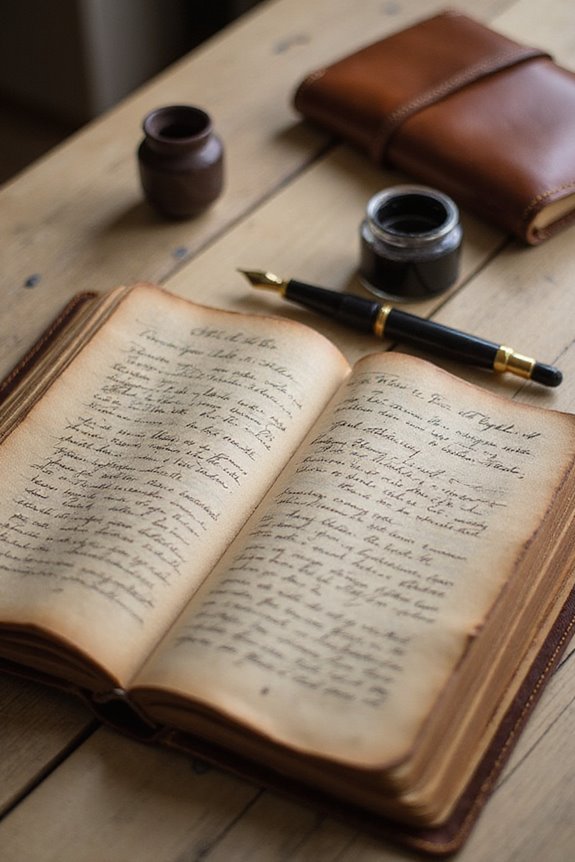
When choosing a leather journal, understanding its durability and longevity is essential for making a wise investment. The type of leather you select greatly impacts how long your journal lasts.
- Full-grain leather is the most durable, developing a natural patina over time.
- Top-grain leather offers good durability but is smoother and less robust.
- Corrected grain leather and split leather are less durable options, often found in cheaper journals.
To maintain your leather journal’s longevity, follow these maintenance tips:
- Regularly apply leather conditioners to keep it supple.
- Clean gently with mild soap and a damp cloth.
- Store it in a cool, dry place, away from direct sunlight. Additionally, investing in a journal made from high-quality materials ensures it withstands the test of time.
Cost-Effectiveness Over Time
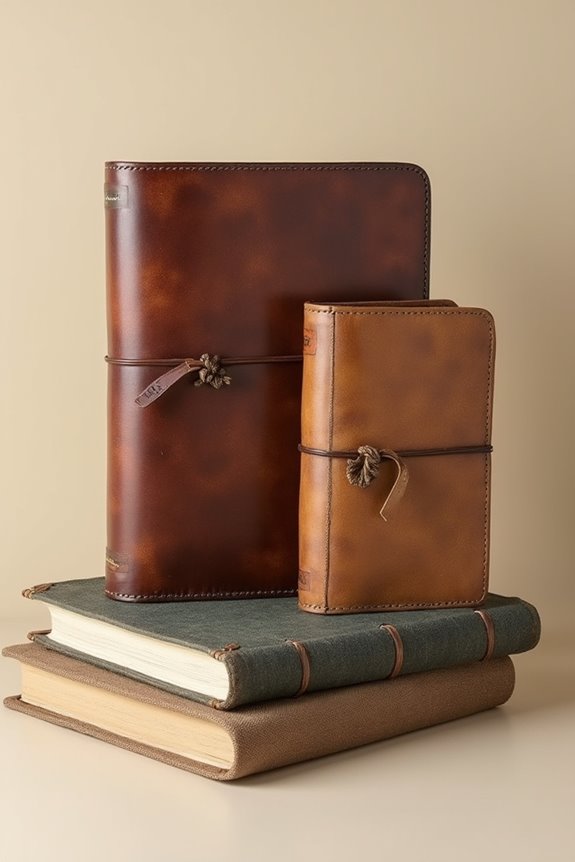
Investing in a leather-bound journal can seem costly at first glance, but it’s important to evaluate the long-term value it offers. While the initial cost ranges from $20 to $50, this premium price may lead to significant long-term savings. Here are some key points to reflect on:
- Durability: Leather journals last longer than standard notebooks, reducing the need for replacements.
- Cost per Use: As we use the journal over time, the cost per use decreases, making it more economical.
- Repairs: Minor maintenance can extend its life, potentially increasing its resale value.
- Emotional Value: These journals often become cherished keepsakes, enhancing their worth beyond the initial investment. Additionally, the high-quality leather quality matters ensures that the journal remains a reliable companion for years to come.
In the end, thoughtful usage of a leather journal can lead to lasting benefits.
Aesthetic and Functional Appeal
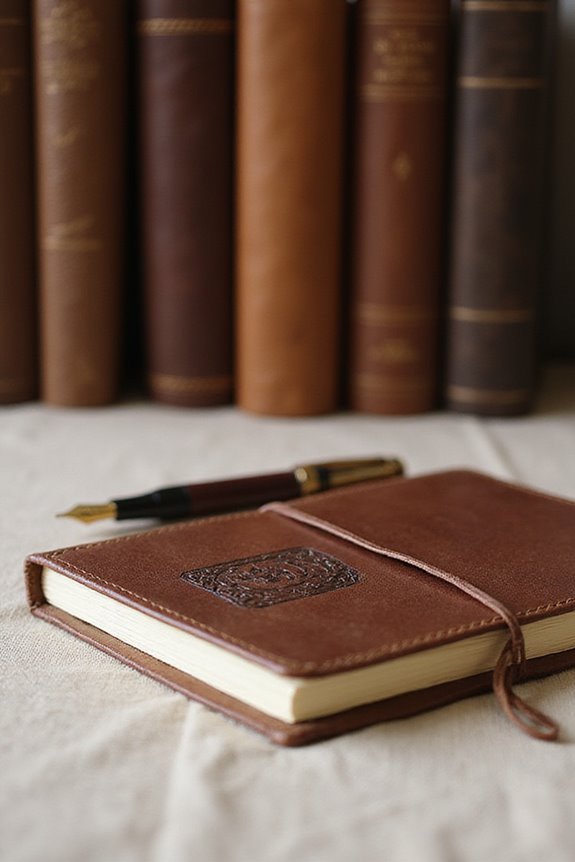
A leather-bound journal doesn’t just stand out for its cost-effectiveness; it also offers significant aesthetic and functional appeal that enhances our writing experience.
- Sensory Experience: The aroma and texture of genuine leather create a rich sensory experience. Writing in one fosters a deeper connection compared to digital devices.
- Timeless Design: These journals feature a classic, minimalistic aesthetic that remains stylish over time. Each unique leather grain contributes to a sophisticated look, making it a worthy companion for artists and professionals alike.
- Functionality: Leather journals are durable yet lightweight, making them easy to carry. They protect our pages and provide a solid writing surface, accommodating various uses—from diaries to planners. Additionally, high-quality faux leather options offer waterproof protection, ensuring longevity and usability in various environments.
In essence, a leather-bound journal is both beautiful and practical.
Environmental and Ethical Considerations
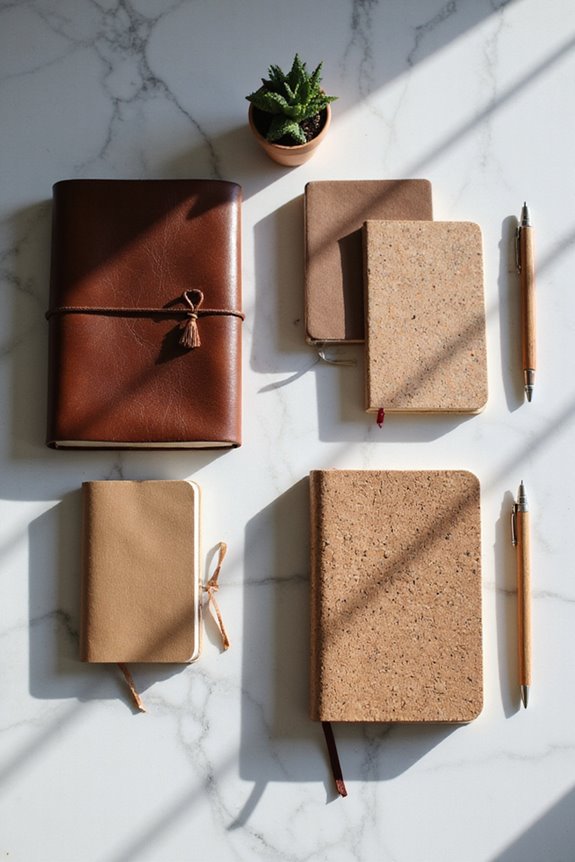
While we appreciate the beauty and functionality of leather-bound journals, it’s crucial to reflect on their environmental and ethical implications. The production of leather greatly impacts our planet, contributing to deforestation, water pollution, and high carbon emissions. For instance, creating a single cowhide tote can use over 17,000 liters of water, and leather production is responsible for about 80% of Amazon rainforest loss.
As consumers, we can seek sustainable alternatives that prioritize ethical sourcing. Vegan leather, for example, offers a cruelty-free option, though it has its own environmental challenges. Increasing awareness of animal welfare and sustainable practices can guide us toward choices that align with our values, ensuring we contribute positively to both our community and the environment.
Diverse Use Cases and Consumer Benefits
Considering the environmental and ethical implications of leather-bound journals, we can now explore the diverse use cases and consumer benefits they offer.
Creative Expression
Leather journals are perfect for personal diaries, sketching, and note-taking. Their high-quality pages support various media, encouraging creativity and artistic exploration.
Professional Organization
These journals excel at goal setting and planning, helping us break down objectives into actionable steps. The sturdy covers protect our notes, ensuring they remain well-organized and accessible.
Versatile Gifts
With options for customization, leather journals make thoughtful gifts, blending elegance and personal touch. Their timeless style appeals to both creatives and professionals, making them a valuable addition to anyone’s collection.
Making the Choice: Are Leather Journals Right for You?
When choosing a leather journal, how do we determine if it’s the right fit for our needs? We should consider our personal preferences and journaling habits. Here are some key points to guide us:
- Material Quality: Full-grain leather is durable and ages beautifully, while faux leather offers an affordable, eco-friendly option.
- Aesthetic Appeal: Genuine leather journals develop a unique patina over time, adding character, whereas faux leather may not age as gracefully.
- Usability: Refillable options can extend the life of our journals, making them a more sustainable choice. Additionally, high-quality materials like bleed-resistant pages enhance the overall writing experience.
Ultimately, we should think about how often we journal and what features matter most to us. By weighing these factors, we can make an informed decision.
Frequently Asked Questions
How Should I Properly Care for My Leather-Bound Journal?
We should care for our leather-bound journals by following proper cleaning techniques and storage tips. Let’s dust them weekly, keep them away from moisture, and condition them regularly to maintain their beauty and longevity together.
Can I Personalize My Leather Journal With My Name or Logo?
We can definitely personalize our leather journals with name or logo embossing. With various personalization options available, we’ll create a unique keepsake that reflects our identity and makes our journaling experience even more special.
What Types of Leather Are Commonly Used in Journals?
When it comes to journals, we’ve got to contemplate the heart of the matter. Genuine leather, like calfskin and goatskin, offers durability and beauty, while faux leather provides a budget-friendly option that still feels good.
Are There Vegan Alternatives to Traditional Leather Journals?
Absolutely, there are fantastic vegan alternatives to traditional leather journals! We can explore eco-friendly options like cork leather or PU materials, offering durability and style while aligning with our values of sustainability and compassion.
How Do Leather Journals Compare to Digital Note-Taking Options?
Oh, the eternal struggle! Digital convenience offers instant access, but we can’t deny the tactile experience of leather journals. It’s like choosing between a sleek robot and a warm hug—both have their charm, don’t they?