

To select the best handmade cutting board, we should consider several key factors. First, the wood type matters—hard maple is durable, while walnut offers aesthetic appeal. Next, we can choose between face, edge, or end grain construction, each providing different durability levels. Hygiene is important too, so separate boards for raw and cooked foods are ideal. Finally, size and design features like juice grooves can enhance functionality. There’s so much more to explore about cutting boards!
Key Takeaways
- Choose a hardwood with a Janka rating between 900-1500 for durability and longevity, like maple, cherry, or walnut.
- Opt for edge or end grain boards for enhanced durability and knife protection; they resist grooves and self-heal over time.
- Consider hygiene features by selecting separate boards for raw meats and ready-to-eat foods to prevent cross-contamination.
- Look for design features such as juice grooves and reversible designs to enhance functionality and aesthetics in the kitchen.
- Ensure the board thickness is between 1¼” to 2″ to resist warping and provide stability during use.
Understanding Different Wood Types

When choosing a handmade cutting board, understanding different wood types is essential. Each wood has unique characteristics that affect both functionality and aesthetics.
- Hard Maple: Known for its durability, it has a Janka hardness of about 1,450, making it resistant to scratches and warping. Its tight grain pattern prevents moisture absorption, enhancing hygiene.
- Walnut: With a Janka rating of around 1,010, walnut offers a beautiful dark hue and natural antimicrobial properties. Its grain patterns are visually appealing and help reduce knife dulling.
- Cherry: This wood has a Janka hardness of about 995, providing a smooth surface that darkens over time. Cherry’s grain patterns are distinctive, adding warmth to any kitchen.
Recommended Products
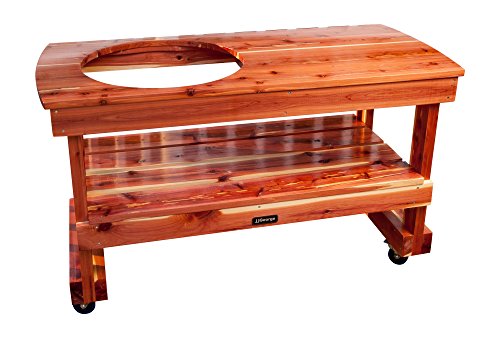
FREE COVER INCLUDED - GIVE YOURSELF ROOM TO PREP - AND LOOK GOOD DOING IT!

Solid Wooden Chopping Block: Elevate your food prep with a John Boos CCB series wood chopping block. Slice, chop, and display fruit, bread, meat, and other bites with efficiency.

Precision Serration for Clean Slices through hard crust and soft crumbs: Designed for consistent, controlled cutting, this 10 inch bread knife delivers clean slices through sourdough, crusty artisan loaves, and soft sandwich bread. The serrated edge grips without tearing, making it a reliable bread cutting knife for home bakers and professionals.
Exploring Construction and Grain Orientation
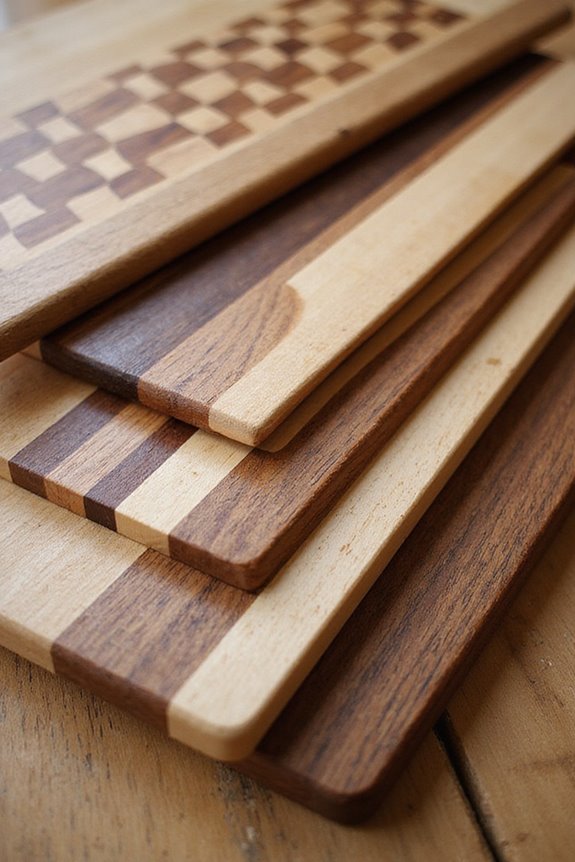
Choosing the right construction method and grain orientation for a handmade cutting board can greatly impact its performance and longevity. Here’s a quick look at the options:
- Face Grain Boards: Easier to make but less durable, they show knife marks easily.
- Edge Grain Boards: More durable, with the grain running vertically, offering better knife protection.
- End Grain Boards: These excel in durability, featuring a checkerboard pattern that helps self-heal from cuts.
- Butcher Block Style: Thick and heavy, ideal for heavy-duty chopping.
- Single Slab Boards: Beautiful grain patterns but may crack over time.
Understanding these construction techniques and their grain patterns helps us choose wisely, ensuring a cutting board that meets our cooking needs.
Recommended Products

Solid reclaimed wood construction. Each shelf is made from real reclaimed wood with natural variation in color, grain, and character due to previous use and aging

Solid Wooden Chopping Block: Elevate your food prep with a John Boos CCB series wood chopping block. Slice, chop, and display fruit, bread, meat, and other bites with efficiency.

CRAFTED WITH MAPLE HARDWOOD: The Boardsmith kitchen cutting boards are crafted by a team of artisans in Texas, USA. The maple wood is cut from hardwood, sanded smooth, soaked in food-grade mineral oil, and then buffed with 100% food-grade mineral oil and natural beeswax.
Evaluating Hygiene and Health Considerations
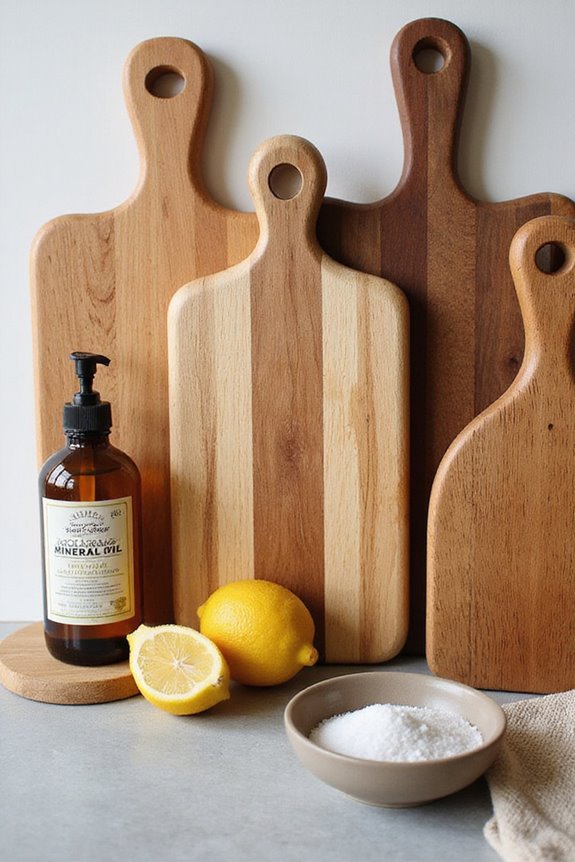
Hygiene is essential in the kitchen, especially when it comes to cutting boards. To guarantee we meet hygiene standards, we should use different boards for raw meats, seafood, and ready-to-eat foods. This helps prevent bacterial growth and cross-contamination. Here are some key practices to adopt:
- Cleaning: After each use, we should wash wooden boards with hot, soapy water and sanitize them with food-safe solutions like diluted bleach or vinegar.
- Inspection: Regularly check for deep grooves or cracks, which can harbor bacteria. If we find damage, it’s time to replace the board.
- Maintenance: Oiling wooden boards keeps them in good shape and enhances their natural antimicrobial properties.
Assessing Durability and Knife Friendliness
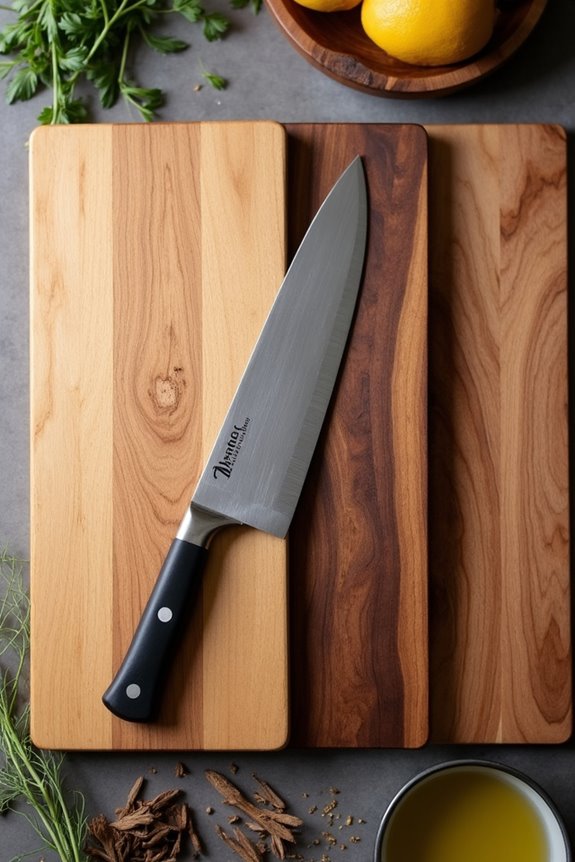
Durability and knife friendliness are essential factors to take into account in a handmade cutting board. We should look for a hardness balance between 900-1500 Janka rating to guarantee longevity without dulling our knives. Ideal hardwoods like maple, cherry, and walnut provide the right durability.
Additionally, end grain boards are more resistant to knife grooves, while wood’s self-healing properties help close cuts and keep surfaces smooth. To maintain our boards, regular oiling with food-grade mineral oil is necessary to protect against moisture and wear.
Recommended Products

BAMBOO END GRAIN CUTTING BOARD with Juice Grooves - 16.9" x 11.75" x 1" - 100 Pieces - Reversible design - Grooved on one side and flat on the other. Perfect for catching those unwanted juices. Measurements may slightly vary due to the manufacturing process of the cutting board

Non-reversible cutting board

USA Grown Hardwood: Only made from USA grown hard walnut solid wood.
Considering Size and Design Features

When we’re considering the size and design features of a handmade cutting board, what aspects should we prioritize? First, let’s think about our size preferences. Standard boards typically measure 12″x18″, but we can choose from small sizes for limited space or larger boards for heavy-duty prep.
Next, design aesthetics matter too. Rectangular shapes are practical, but square or round boards can add visual appeal. We might also consider features like juice grooves for mess-free cutting, and reversible designs for versatility. Additionally, opting for high-quality materials, such as bamboo, walnut, cherry, or maple, can enhance both durability and elegance.
Finally, let’s not overlook thickness; boards between 1¼” to 2″ resist warping and provide stability. By evaluating these factors, we can find a cutting board that fits our kitchen and culinary needs perfectly.
Recommended Products

MADE IN VIRGINIA, USA - 100% sustainable walnut wood grown in America

RESPONSIBLY SOURCED NORTH AMERICAN HARDWOOD: Our wooden cutting boards are FSC Certified Products, the most rigorous certification in the industry in terms of environmental sustainability

✅ RARE BALINESE CRAFTSMANSHIP – Limited to only 50 units per month. Individually hand-shaped by master woodworkers in Bali, this XXXL masterpiece features the deepest reddish-gold Mahogany grain, ensuring your kitchen centerpiece is as unique as a work of art.
Maintenance and Care Tips
To guarantee our handmade cutting board lasts and performs well, we need to adopt a consistent maintenance routine. Here are some essential care tips:
Cleaning Techniques
- Clean after every use with mild soap and warm water, scrubbing to remove bacteria.
- Avoid dishwashers; high heat and water can warp the wood.
- Dry immediately with a towel, then air dry upright to prevent warping.
Oiling Frequency
- Oil monthly or when the board feels dry to maintain moisture balance.
- Use food-grade mineral oil evenly; let it absorb for several hours.
- Apply board cream or wax for added protection after oiling.
Recommended Products
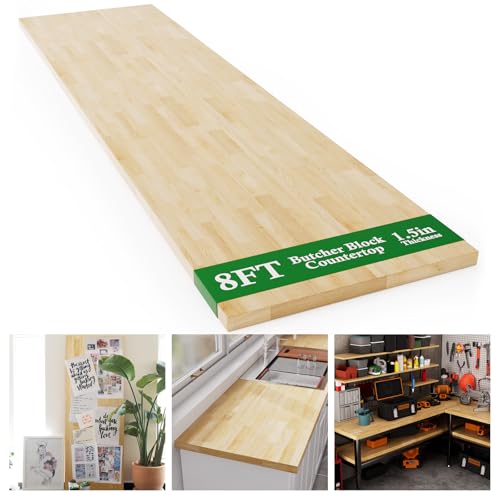
PREMIUM SOLID BIRCH HARDWOOD: Crafted from 100% solid, closed-grain Birch, this resilient wood offers a soft golden tone and a clean, uniform look. Perfect for a long-lasting butcher block countertop, kitchen island and also kitchen island cart.

Elegance at its best. Introducing ''The Butcher Block - Extra Large'' in ethically sourced & sustainable handcrafted Walnut. A personalized cutting board that is best used as a chopping block, butcher block, meat carving board or simply for display. A unique & creative personalized gift that will be cherished for years to come. Quality that screams high-end and is guaranteed to leave its recipient raving. A thoughtful personalized gift that will never cease to amaze.

SPACIOUS & FUNCTIONAL: A large cutting board with 18x16 surface, beveled edges for ease of handling, and raised on sturdy feet for stability. Perfect for chopping, slicing, and carving, while adding a touche of elegance. It has a unique design that looks like the board is floating.
Frequently Asked Questions
What Are the Environmental Impacts of Cutting Board Materials?
When considering environmental impacts, we must appreciate bamboo sustainability and responsible wood sourcing. Opting for wooden or bamboo boards reduces waste, minimizes microplastic pollution, and supports eco-friendly practices, fostering a healthier kitchen and planet together.
Can I Customize the Design of My Cutting Board?
We can release our creativity with endless design options and personalization features. Imagine a cutting board that tells our story—engraved with names or heartfelt messages, making every meal feel special. Let’s create something truly unique together!
How Can I Tell if a Board Is Sustainably Sourced?
To tell if a board’s sustainably sourced, we should look for sourcing certifications like FSC or PEFC. Choosing boards made from eco-friendly woods guarantees we’re supporting responsible practices and protecting our planet together.
What Is the Best Way to Store a Cutting Board?
When it comes to cutting board maintenance, we should always prioritize ideal storage. Let’s keep boards vertical in well-ventilated areas, ensuring they dry completely to prevent bacteria and maintain their integrity for our shared kitchen adventures.
Are There Specific Cutting Boards for Different Food Types?
Think of our kitchen as a symphony, where different wood types play unique roles. For food safety, we should use dedicated boards and follow maintenance tips, ensuring harmony between raw meats and fresh produce.