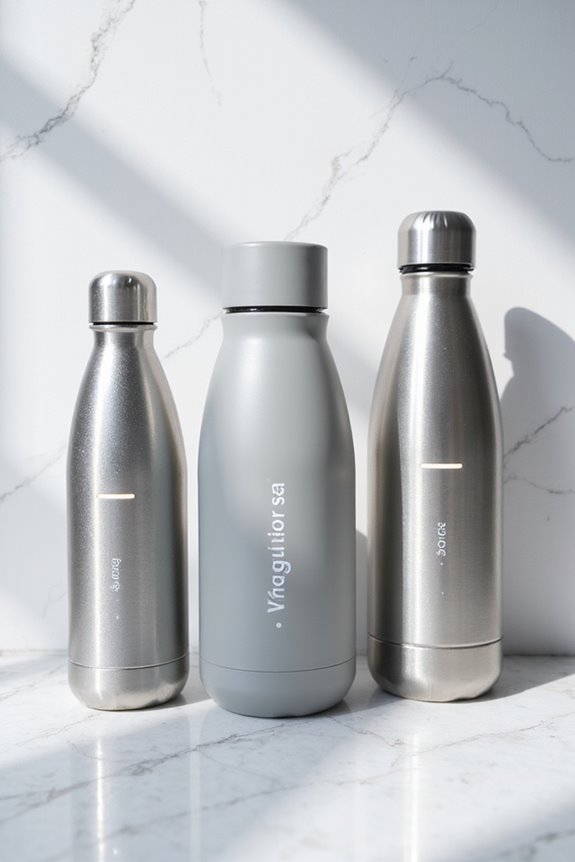


When we choose a personal safety alarm, we should consider several factors. First, look at alarm types: pull pin or push button. Next, check key features like a loud siren (130dB or more) and user-friendly design, especially for elderly users. Connectivity is essential, ensuring instant alerts and GPS tracking. Finally, evaluate costs, including subscription plans, to find what fits our budget best. By thinking about these aspects, we can make a more informed choice. More details await you ahead.
Key Takeaways
- Determine the activation method that suits you best: pull pin for quick one-handed use or push button for immediate alerts.
- Look for an alarm with a loud siren (130dB or more) to ensure it can be heard in noisy situations.
- Consider features like GPS tracking and customizable alerts to enhance emergency response capabilities.
- Evaluate user-friendliness, especially for elderly users, focusing on tactile feedback and lightweight designs for comfort.
- Compare subscription costs and features to find a plan that fits your budget and needs effectively.
Understanding Different Types of Personal Safety Alarms

When it comes to personal safety alarms, understanding the different types available is essential for making an informed choice. We’ve got pull pin alarms and push button alarms, both designed for quick activation in emergencies.
- Pull pin alarms are activated by removing a pin, allowing for easy one-handed operation. They’re less likely to trigger accidentally, making them a reliable option.
- Push button alarms, on the other hand, simply require pressing a button for immediate sound. This straightforward design can be incredibly effective when every second counts.
Both types emit loud sounds ranging from 120 to 140 dB, which can alert those nearby. Choosing the right alarm is all about understanding how each type works and which fits our lifestyle best.
Key Features to Look For

Choosing the right personal safety alarm involves considering several key features that can enhance its effectiveness.
- Volume and Sound: Look for alarms with a loud siren of 130dB or more and multiple sound modes, ensuring they’re audible in noisy environments. Continuous alarms lasting 55 seconds can attract attention quickly.
- Connectivity: A user-friendly interface that integrates with smartphones is essential. Customizable alerts, like SOS messages with GPS locations, can notify multiple contacts in emergencies.
- Portability: Choose compact designs that are easy to carry, like keychains or wristbands.
- Battery Life: Opt for alarms with long battery life and indicators to avoid unexpected deactivation.
These features work together to make personal safety alarms more effective and accessible for everyone.
Considerations for Elderly Users

As we consider personal safety alarms for elderly users, it’s important to focus on features that enhance usability and accessibility.
Accessibility Features
- Look for simple activation methods, like large buttons or pull cords, to accommodate limited dexterity.
- Devices should offer tactile, visual, or auditory feedback to assist those with sensory impairments.
- Lightweight and wearable designs, such as wristbands or pendants, improve user comfort and portability.
Usability
- Choose compact, unobtrusive models that can be worn continuously without discomfort.
- Waterproof options are essential for use during bathing times, a common risk period.
- Adjustable straps can cater to varying physical needs, ensuring a secure fit.
Importance of Connectivity and Emergency Response
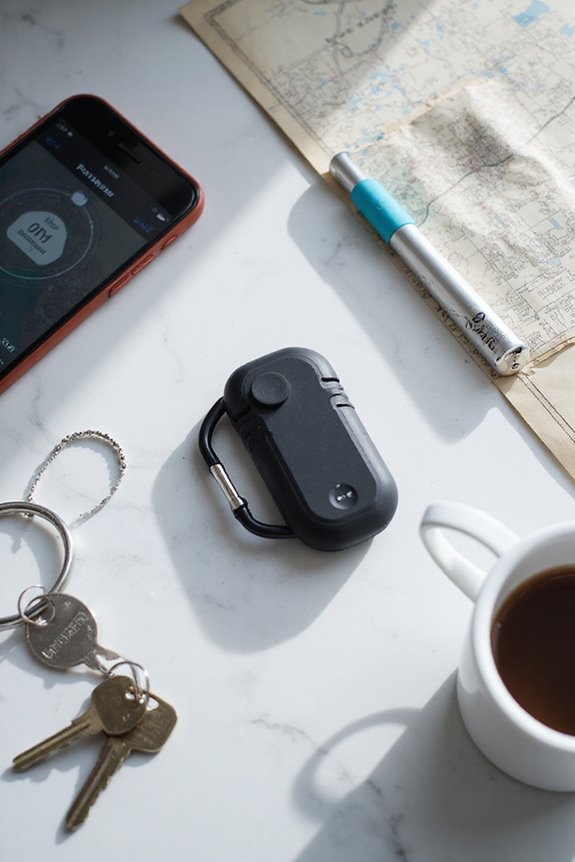
Connectivity and emergency response are essential aspects of personal safety alarms, especially for elderly users. We need to prioritize connectivity reliability to guarantee alerts reach family, caregivers, or emergency services without delays. Here are key features to take into account:
- Instant Activation: One-button or pull-ring mechanisms simplify alert triggering during emergencies.
- Two-Way Communication: Built-in speakerphones allow real-time interaction, providing reassurance until help arrives.
- GPS Tracking: Accurate location data helps responders find users quickly, which is imperative in emergencies.
- Multiple Contacts: Some alarms can notify up to five emergency contacts simultaneously, enhancing emergency readiness.
Evaluating Subscription and Cost Factors
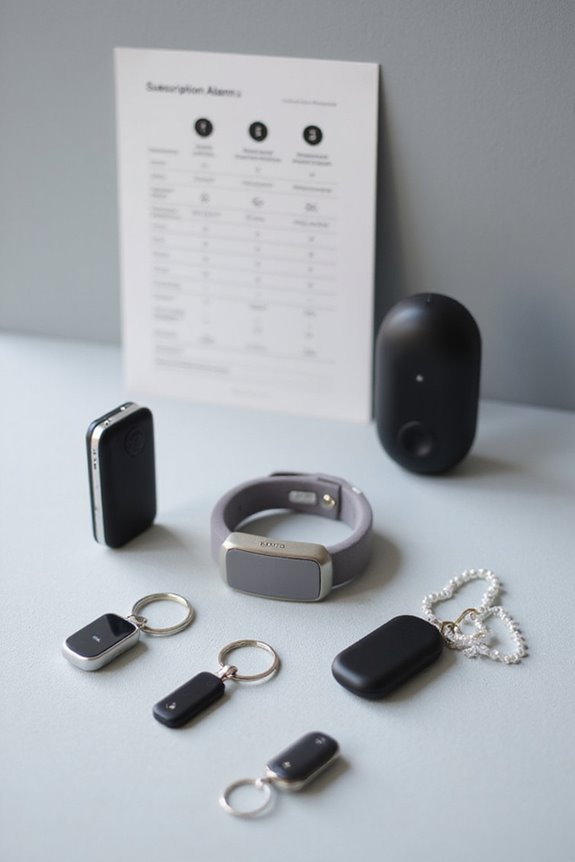
When evaluating subscription and cost factors for personal safety alarms, we should consider how these expenses fit into our budgets and needs. Monthly subscription fees typically range from $20 to $60, depending on the plan we choose.
- Subscription Tiers: Basic plans start around $19.95, while higher-end options can exceed $40.
- Activation Fees: Some devices have one-time activation fees from $0 to $200.
It’s important to check for additional charges, like optional features that may add $5 to $11 monthly. We should also look at contract lengths, as some offer no-contract options but at higher monthly rates. Ultimately, considering long-term subscriptions can save us money in the long run, making our choices more budget-friendly.
Design and Practical Usage
Choosing a personal safety alarm involves considering various design aspects that enhance its practical usage. We should pay attention to design aesthetics and user preferences to guarantee we choose a device that fits our lifestyle.
- Size and Shape: Compact and lightweight alarms are easier to carry daily.
- Color Choices: Bright colors improve visibility, while neutral tones can blend in.
- Multi-Functionality: Features like integrated LED flashlights add value, especially at night.
- Accessibility: Options like key rings or clips help us reach the alarm quickly in emergencies.
- Durability: Water-resistant materials provide reliability in different weather conditions.
Assessing Loudness and Portability
How do we assess the loudness and portability of personal safety alarms?
- Loudness Perception: Most effective alarms range from 120-130 dB, which is as loud as a jet engine. This level grabs attention and can deter attackers. Remember, each 10 dB increase doubles perceived loudness, so choose wisely based on your noise sensitivity.
- Portability Factors: Ideal alarms are compact and lightweight, weighing between 0.5 and 2 pounds. They should fit easily on keychains or bags, promoting everyday carry. Enhanced designs, like textured grips, guarantee quick access in emergencies.
Making an Informed Decision
What factors should we consider to make an informed decision about personal safety alarms? First, we should examine the types available, like sound-based alarms for commuters or GPS-enabled devices for seniors. Next, let’s think about activation ease; pull-pin designs are often preferred for quick use during emergencies.
User reviews and testimonials can guide our choices, revealing real-world effectiveness. We should also review connectivity options; some alarms link to emergency services, while others notify personal contacts.
Lastly, consider costs and maintenance. Basic alarms are affordable but limited, whereas advanced systems may incur monthly fees. By weighing these factors, we can choose the right personal safety alarm that fits our lifestyle and needs.
Frequently Asked Questions
Can Personal Safety Alarms Be Used for Pets?
Yes, personal safety alarms can enhance pet safety with features designed specifically for animals. By choosing the right alarm features, we can protect our furry friends while ensuring they feel secure in their environment.
How Do I Maintain My Personal Safety Alarm?
We can’t overlook our personal safety alarms. By testing them monthly and replacing batteries annually, we guarantee readiness. Together, let’s commit to regular inspections and stay safe, knowing we’ve got each other’s backs.
Are Personal Safety Alarms Effective Against Wildlife Encounters?
When it comes to wildlife encounters, personal safety alarms can aid in wildlife deterrence. Their loud sound frequency may startle animals, but we should always pair them with other safety measures for better protection.
Can I Use Multiple Alarms Simultaneously?
Absolutely, we can use multiple alarms simultaneously! By thoughtfully considering alarm placement and sound levels, we’ll maximize their effectiveness, creating a louder, more noticeable response that enhances our collective safety in any situation.
What Should I Do if My Alarm Malfunctions?
If our alarm malfunctions, we should follow some alarm troubleshooting tips, like checking batteries and connections. Let’s also review our emergency response procedures together to guarantee we’re prepared for any situation that arises.