

When we choose portable air quality monitors, we should consider several important factors. First, let’s look at the pollutants they measure, like PM2.5 and CO. We also need to think about battery life and how portable the device is. User-friendly interfaces and alert systems are essential for effective monitoring. Finally, regular calibration and maintenance guarantee accuracy. By keeping these aspects in mind, we can find a monitor that meets our needs, and uncover more insights as we go.
Key Takeaways
- Evaluate the types of pollutants measured, focusing on PM levels and gaseous pollutants like CO and NO2 for comprehensive monitoring.
- Consider battery life and portability; choose a model that balances longevity with ease of transport based on your usage needs.
- Check for data management features, such as built-in data loggers and wireless transmission to mobile apps for enhanced usability.
- Look for user-friendly interfaces with clear displays and customizable alert systems to ensure timely awareness of air quality changes.
- Ensure regular calibration and maintenance requirements are manageable to maintain sensor accuracy and extend device lifespan.
Understanding Pollutants Measured by Portable Monitors
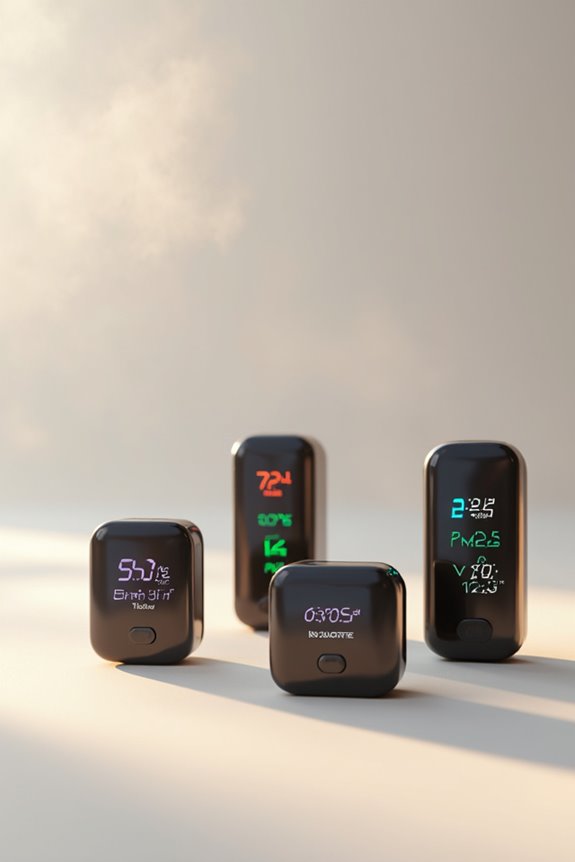
When we think about the air we breathe, it’s important to understand the pollutants that portable air quality monitors can measure. These devices detect various pollutant types, including:
- Particulate Matter (PM): Measured as PM1, PM2.5, and PM10, indicating particles of different sizes.
- Gaseous Pollutants: Commonly include carbon monoxide (CO), nitrogen dioxide (NO2), and volatile organic compounds (VOCs).
Measurement techniques vary, with advanced sensors such as:
- Laser Scattering Sensors: Measure particulate matter through light deflection.
- Electrochemical Sensors: Detect gases by generating electrical signals.
Some monitors even track environmental parameters like temperature and humidity, helping us understand pollutant behavior better. By knowing these pollutant types and measurement techniques, we can make informed decisions about our air quality.
Importance of Data Management and Accessibility
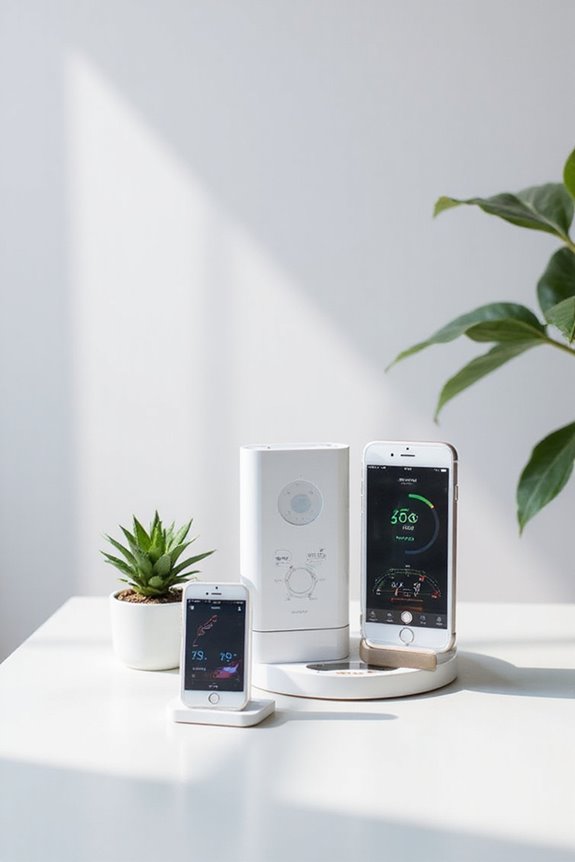
Understanding the importance of data management and accessibility is essential for effectively monitoring air quality. With portable air quality monitors, we can collect and analyze vast amounts of data, like PM2.5 levels and GPS locations, thanks to built-in data loggers. These devices support remote access, allowing us to transmit data wirelessly to mobile apps or cloud services for real-time monitoring.
- Data Visualization: Using user-friendly software, we can create charts and graphs, making complex data easier to understand.
- Data Storage: Many monitors can store thousands of records locally, ensuring our data remains secure and accessible, even offline.
Evaluating Battery Life and Portability
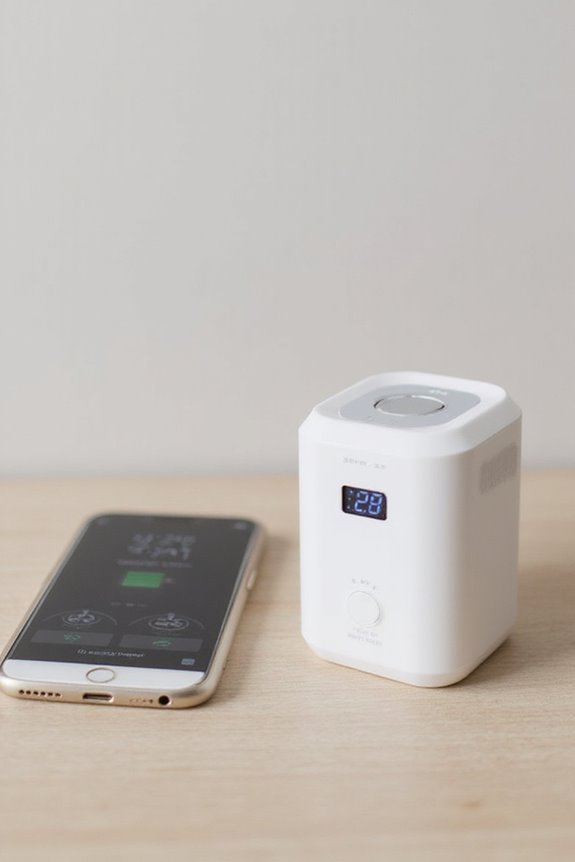
How do we find the right balance between battery life and portability in air quality monitors? We should consider several factors that affect both.
- Battery Efficiency: Typical monitors offer battery life from 8 hours to 30 days. For example, the Atmotube PRO lasts 7-10 days with moderate sampling.
- Size Trade-offs: Larger batteries provide longer runtimes but can make devices bulkier. Smaller models like the Qingping Lite may last about 7 hours but are easier to carry.
- Sampling Frequency: Adjusting how often the monitor samples air can greatly impact battery life. Less frequent sampling can extend usage but may affect data accuracy.
User Interface Features and Alert Systems
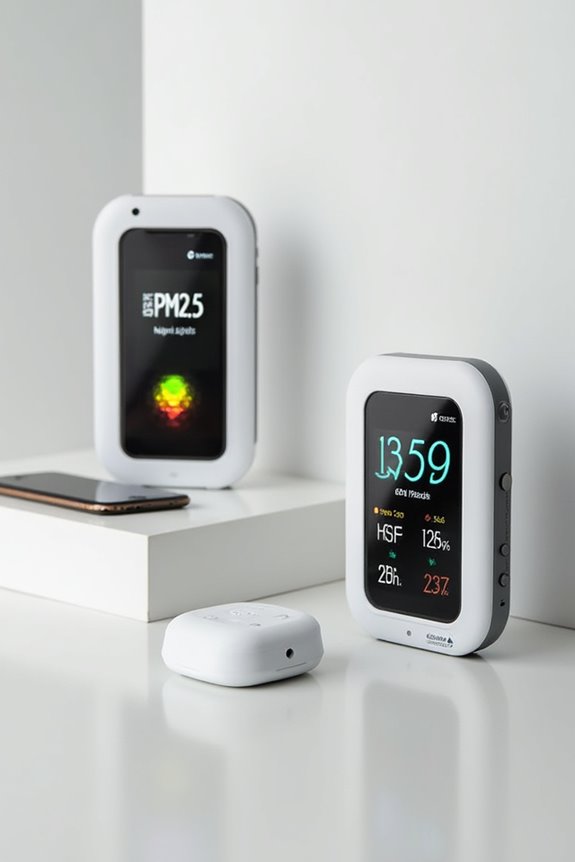
What features should we look for in the user interface and alert systems of portable air quality monitors? First, we need to take into account display options. LCD or LED screens showing real-time pollutant levels are crucial, as are minimalist LED indicators for quick air quality assessments.
Next, user interaction is essential. Simple controls, like a single button for operation, enhance usability. Alerts should also be effective; devices might employ color changes, vibrations, or sound to notify us of poor air quality.
Customizable alert settings help us manage air quality proactively. Some monitors even provide health and productivity indexes for clearer understanding. Ultimately, a user-friendly interface and effective alert systems guarantee we stay informed about our environment.
Sensor Calibration and Maintenance Requirements
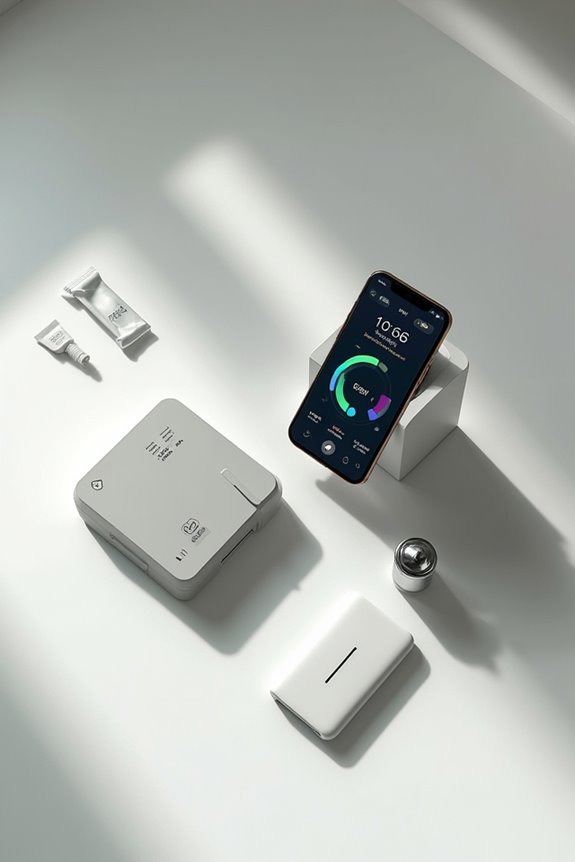
When it comes to portable air quality monitors, proper calibration and maintenance are essential for guaranteeing accurate readings. Regular calibration frequency is generally recommended every 6 to 12 months to maintain sensor reliability. Calibration checks verify if the sensor output is within acceptable limits, while full calibrations adjust to certified standards.
We should also consider the sensor lifespan; some self-calibrating sensors can last 2–5 years before needing replacement. Maintaining proper sensor placement and avoiding contamination sources can help minimize calibration deviations. Using manufacturer-recommended calibration gases guarantees reliability. Regular maintenance, including cleaning and firmware updates, further extends the sensor’s life. By prioritizing these requirements, we can achieve consistent, trustworthy air quality data for our environments.
Additional Features Enhancing Air Quality Monitoring
While selecting a portable air quality monitor, we should consider additional features that greatly enhance monitoring capabilities.
- Advanced Connectivity: Bluetooth and Wi-Fi support allow us to monitor air quality in real-time via mobile apps. This keeps us engaged and responsive to changes.
- Health Alerts: Configurable alarms notify us when air quality exceeds safe levels, prompting timely actions.
- Data Logging: Tracking air quality trends helps us understand our environment better.
- Comprehensive Measurements: Devices measuring multiple pollutants, temperature, and humidity provide a complete picture of air quality.
These features not only improve our monitoring experience but also contribute to our overall health and well-being. By choosing devices with these enhancements, we empower ourselves to foster healthier living spaces.
Assessing Build Quality and Durability
Evaluating build quality and durability is essential for anyone looking to invest in a portable air quality monitor. We should focus on a few key aspects:
- Material Strength: Look for robust materials like aluminum or polycarbonate, as they offer better resistance to environmental stress and impacts.
- Environmental Testing: Choose monitors with IP-rated enclosures, guaranteeing protection against dust and moisture, especially for outdoor use.
- Structural Integrity: Check for reinforced corners and shock-absorbing designs that can endure accidental drops.
- Sensor Protection: Confirm sensors are encapsulated to prevent damage and are calibrated for accuracy over time.
Choosing the Right Monitor for Your Specific Needs
Selecting the right portable air quality monitor requires us to evaluate our specific needs and environments. We should prioritize sensors based on pollutants relevant to our situations, such as PM2.5, CO2, or VOCs. For basic monitoring, focusing on key particles like PM2.5 and PM10 can help us track dust and pollen exposure.
Additionally, we might consider monitors with Wi-Fi and app integration for real-time updates, enhancing our awareness. If we’re monitoring for chemicals, gas sensors are essential.
For true portability, lightweight, battery-operated devices are ideal, especially for travel. Finally, checking sensor accuracy is vital; some models, like optical particle counters, offer reliable measurements. Each choice shapes our personalized selection, ensuring we find the right fit for our air quality needs.
Frequently Asked Questions
How Do I Know Which Pollutants Are Most Relevant for My Area?
Identifying relevant pollutants is like piecing together a puzzle. We should consider local pollution sources and regional factors, utilizing air quality reports and community data to understand what affects our health and environment.
Can I Use a Portable Monitor in Extreme Weather Conditions?
We can definitely use portable monitors in extreme weather, but we need to check their weather resistance and temperature limits. Choosing rugged devices guarantees reliable readings, even when conditions are less than ideal.
Are There Portable Monitors Specifically Designed for Industrial Use?
Yes, there are portable monitors designed for industrial use, meeting industrial standards and ensuring sensor accuracy. Together, we can rely on these tools for effective monitoring, enhancing safety and productivity in our work environments.
Is It Possible to Connect Multiple Monitors for Comprehensive Data Analysis?
Absolutely, we can connect multiple monitors for extensive data analysis! By ensuring proper data synchronization and monitor compatibility, we’ll gain richer insights together, enhancing our understanding of air quality across diverse environments.
What Is the Average Lifespan of Portable Air Quality Monitors?
Did you know many portable air quality monitors last around two years? To extend their lifespan, we should focus on battery longevity and follow maintenance tips like regular cleaning and protection from harsh environments.